Legombang
Treehouse
A contemporary family home that reimagines Balinese architectural knowledge for modern living.
Location:
Pantai Lembeng Ketewel,
Bali, Indonesia
Completion Year:
2025
Area:
Site Area: 600 m2
Built Area: 198 m2
Project Lead:
Jed Long
Studio:
Cave Urban
Builder:
Budi Prima Point
Landscape Design:
Honey Long
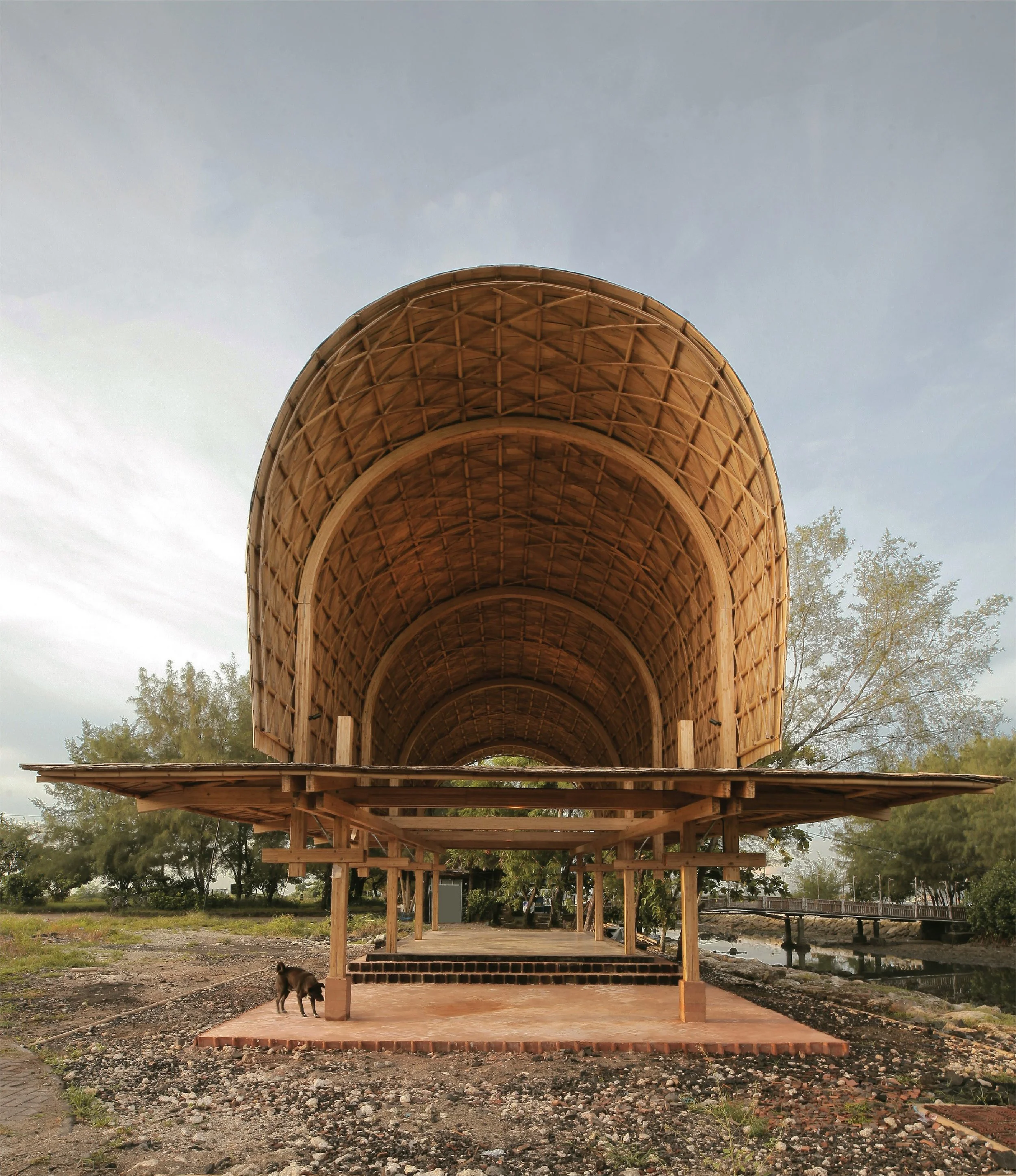
Photo Credit: Iwan Sastrawan
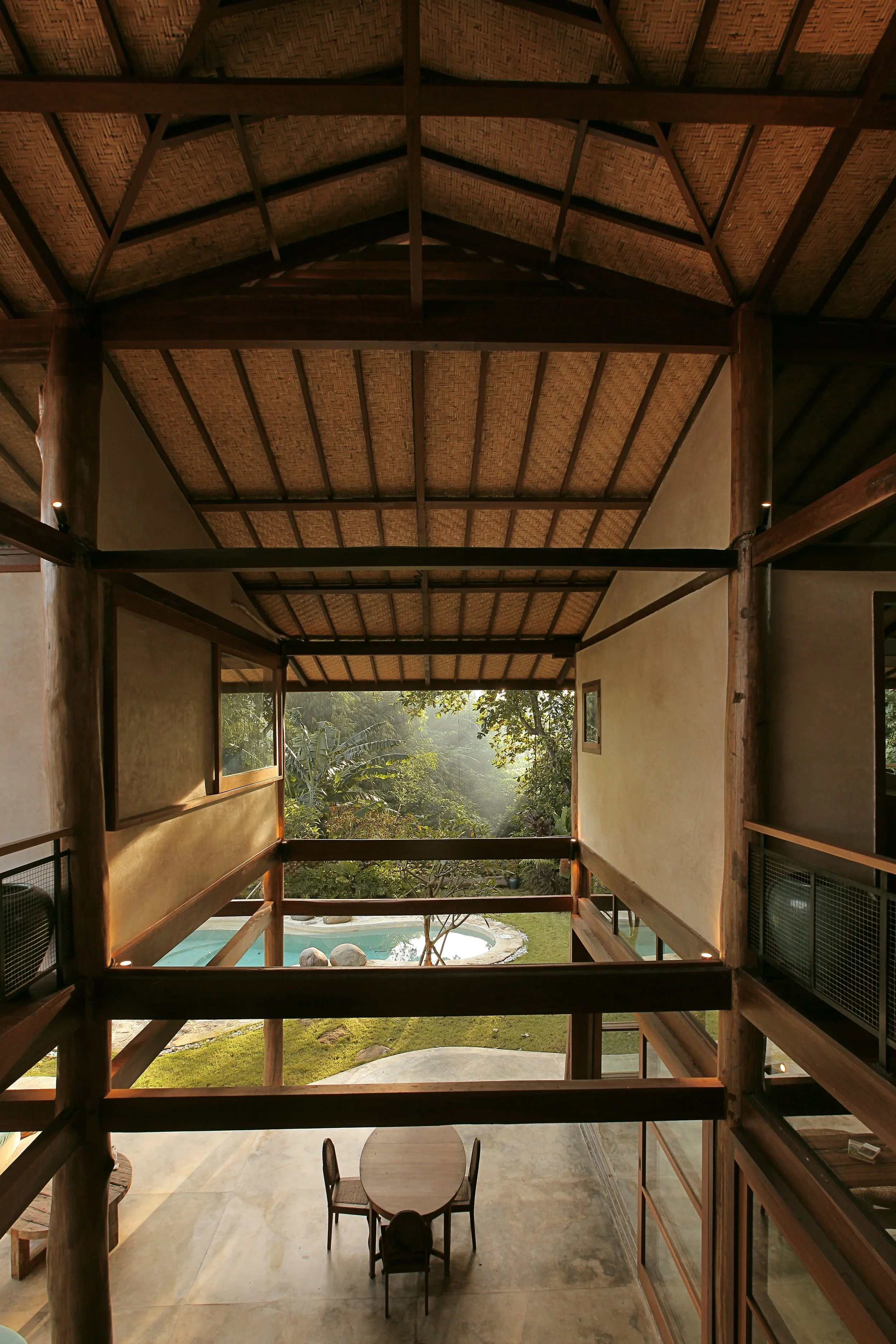
Their shade cooled the site, and their canopies defined pockets of light and shelter. Rather than approaching the space as a blank canvas, Jed Long began the design of Legombang Treehouse by determining what should remain, allowing the existing landscape to guide every decision that followed. Long before it became a design concept, a treehouse was something many of us imagined as children, and the project draws on that same sense of curiosity.
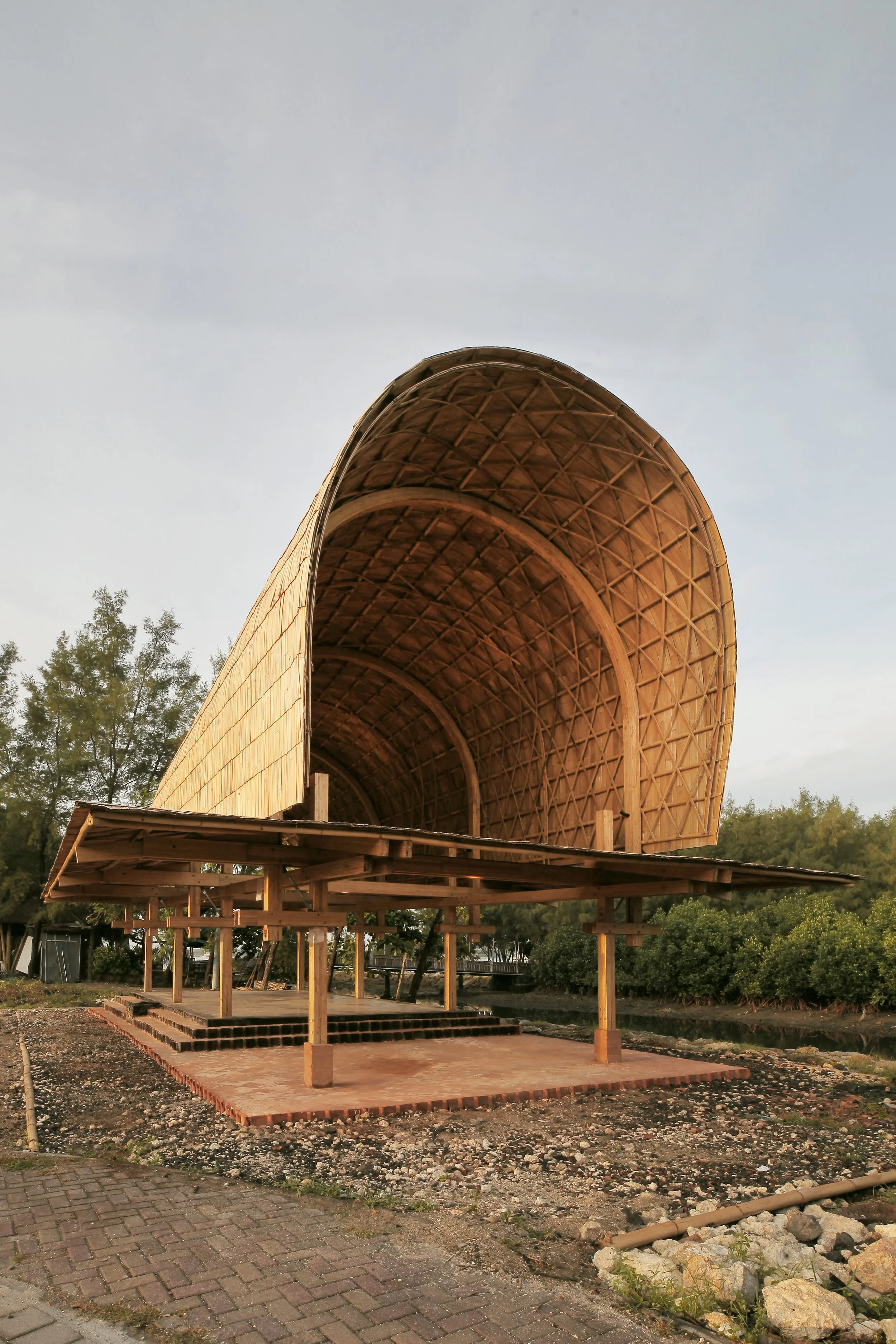
Photo Credit: Iwan Sastrawan
Conceived as a home for his own family on Bali's southeast coast in Pantai Lembeng, the home became an opportunity to test ideas that have long shaped Cave Urban's practice. Instead of imposing a new order onto the site, the existing mature trees became the organizing framework for the build, informing the placement of rooms, circulation paths and open spaces. The result is a treehouse that sits comfortably within its verdant landscape, where architecture and nature exist as one continuous experience rather than as separate elements.
The land already knew the way.
The relationship between home and environment continues through the planning of Legombang Treehouse. The spatial organization reinterprets the nine-square geometry of Asta Kosala Kosali, the traditional Balinese system of spatial planning, arranging gardens, living spaces and circulation across two levels beneath a single roof.
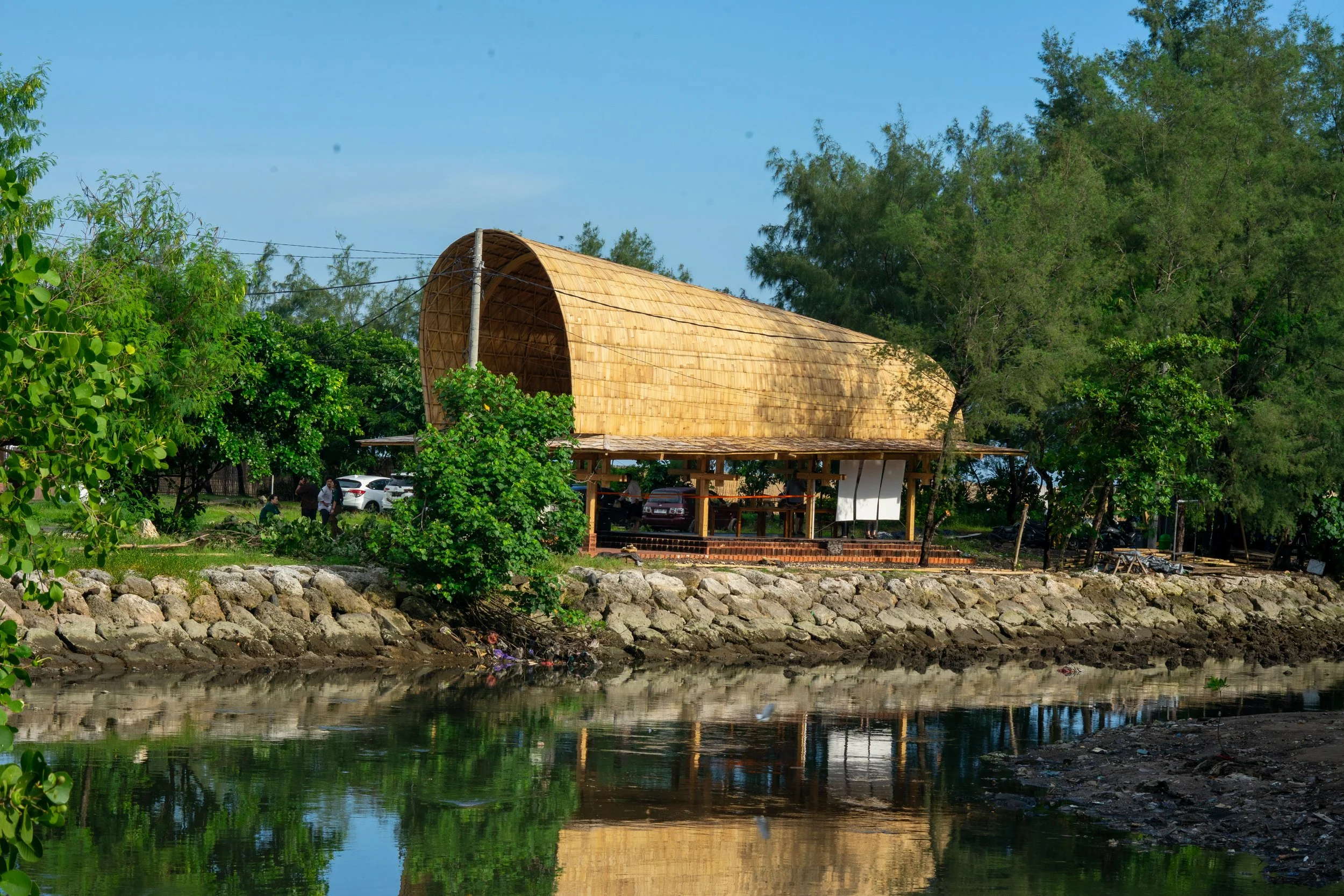
Photo Credit: Iwan Sastrawan
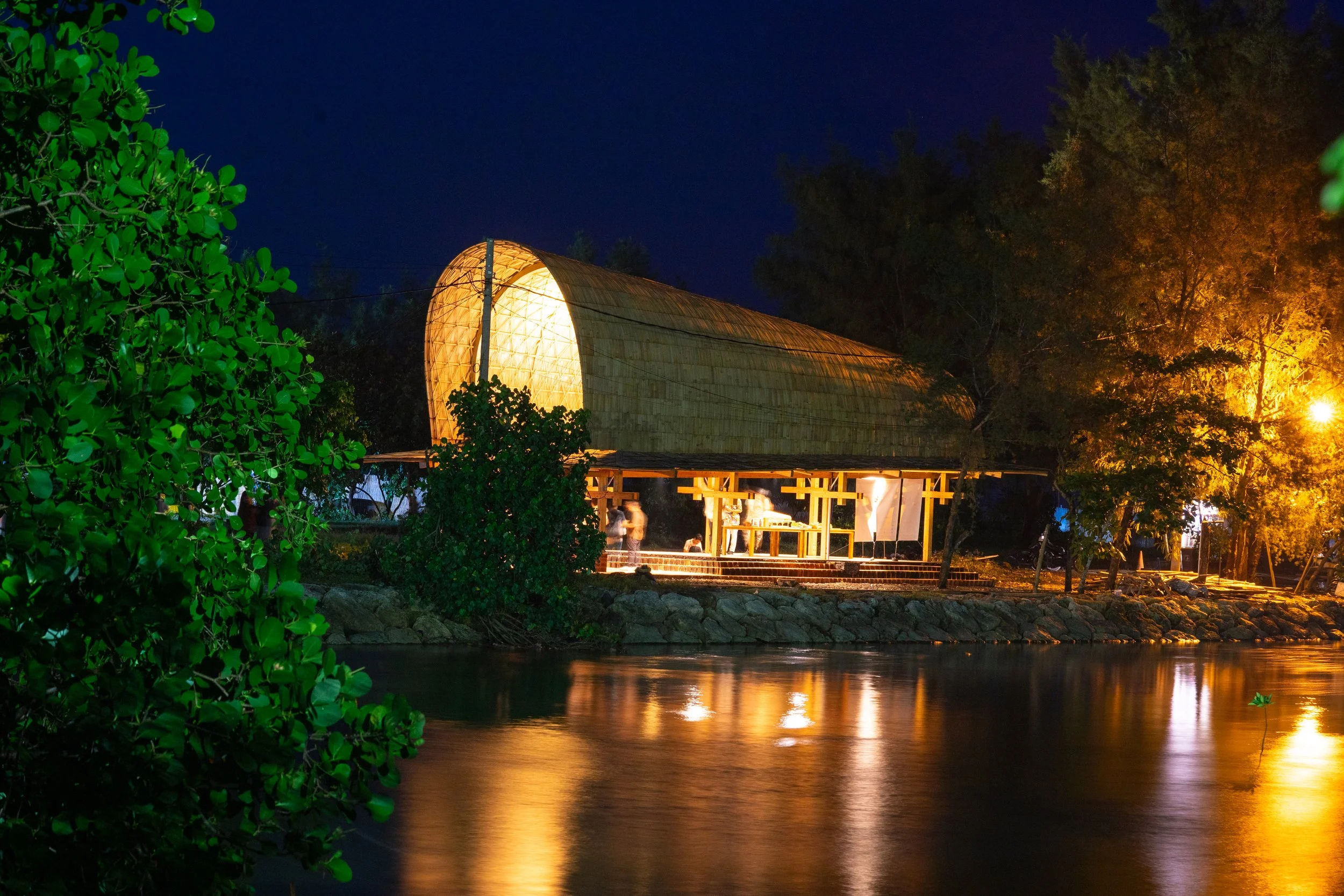
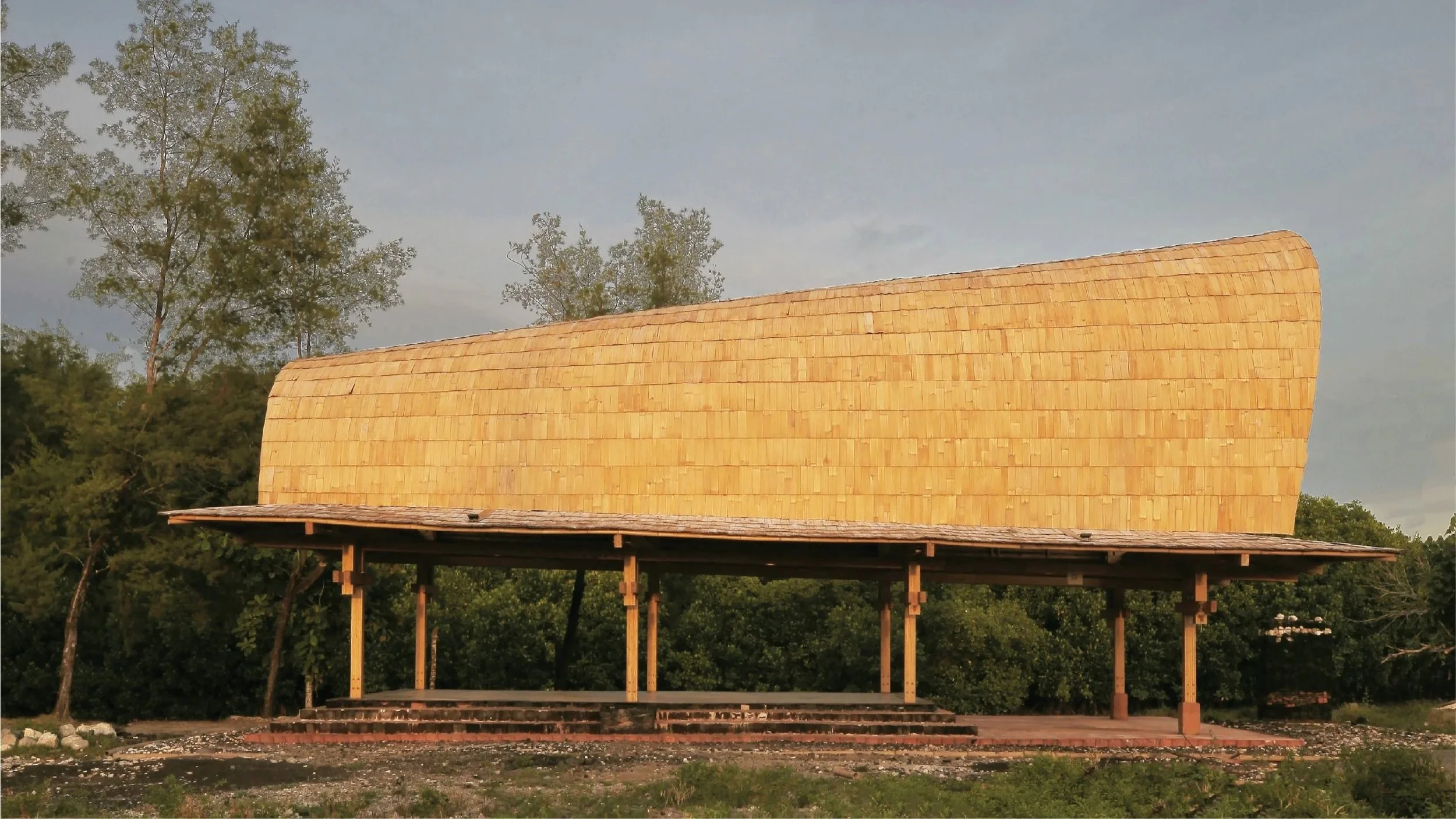
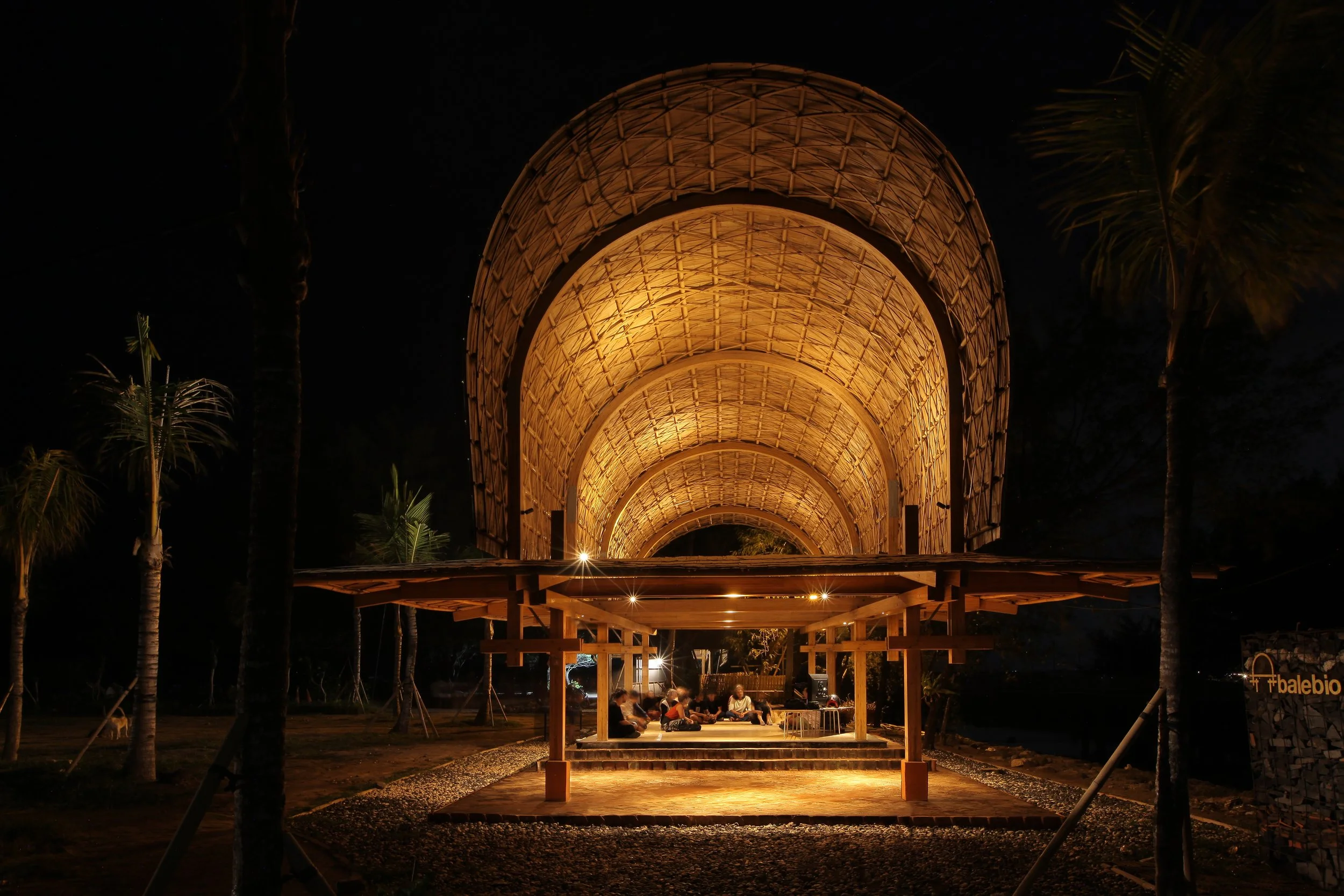
Bauhaus Earth engaged Eco-Mantra to conduct a Whole Building Life Cycle Assessment (LCA) demonstrating a 110% reduction in Stage A carbon emissions compared to a conventional baseline building. While a standard equivalent structure would emit 59,722 kgCO2e into the atmosphere, BaleBio achieved a climate-positive, carbon-negative footprint of -5,907 kgCO2e. This reduction was driven primarily by the pavilion's production stage (A1–A3), where engineered bamboo successfully sequesters carbon, alongside optimized local transport (A4) and construction.
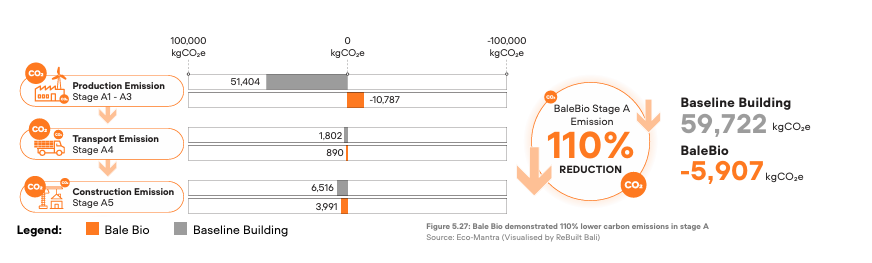
Life Cycle Analysis
Graphic Credit: Furqan Muhammadsyah


Walls
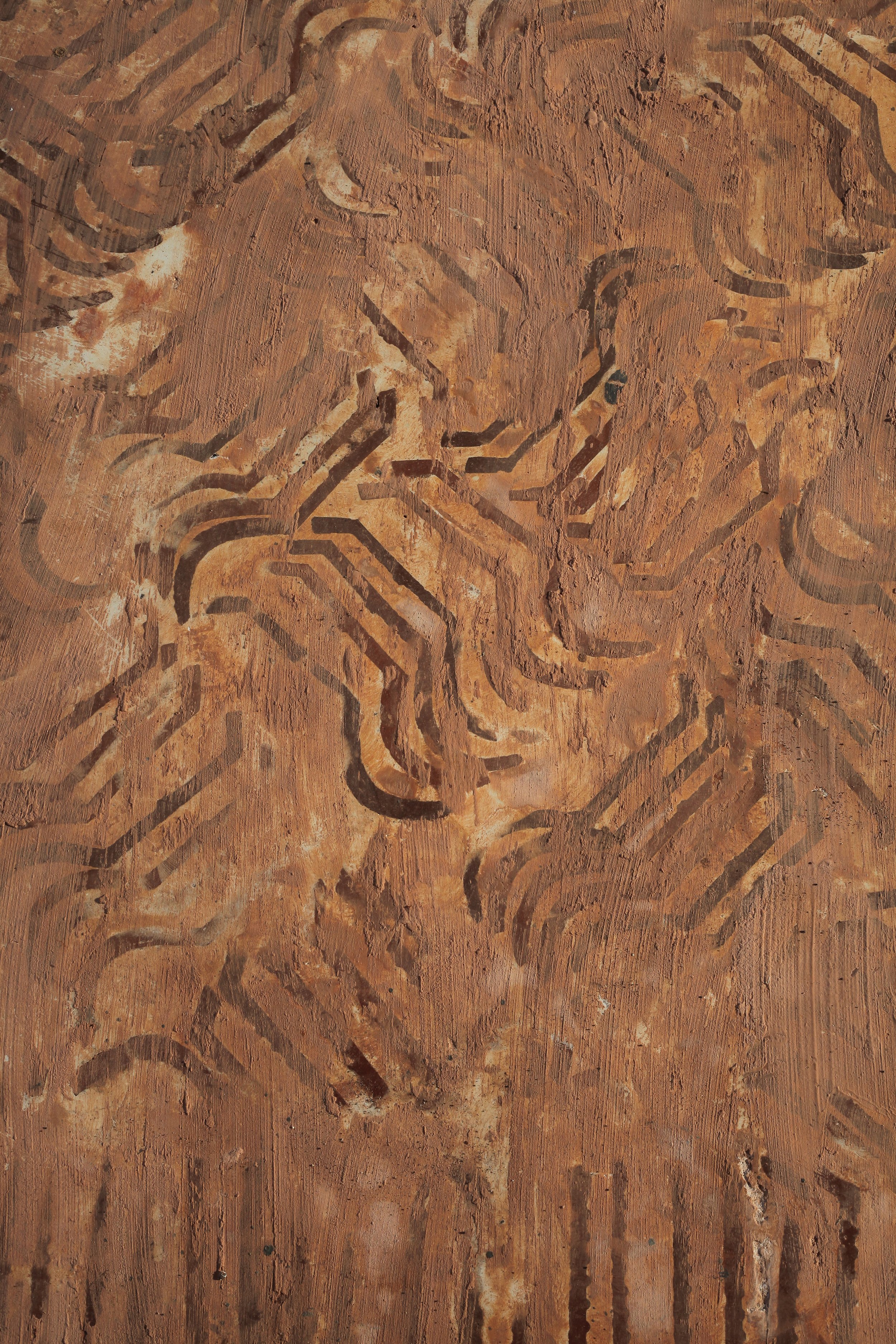
Lime Plaster Finish, Bali, Indonesia
Floor
Polished Concrete
Joinery
Bespoke Hand-Cut Timber Joinery, crafted to suit each reclaimed Ulin column
Structure
Reclaimed Round Ulin (Ironwood) Timber Columns, East Kalimantan, Indonesia
Landscape & Pool
Locally Sourced Limestone, Bali, Indonesia
Paving & Garden Details
Reclaimed Limestone Offcuts, reused from pool and landscape construction
“Designing your own home is a rare opportunity. It strips away trends and expectations, leaving only the question of how you truly want to live. For me, that meant letting the landscape lead, drawing from Balinese knowledge, and creating a home that feels like it belongs exactly where it stands.”
- Jed Long, Cave Urban
Thank You To All The Collaborators
Carpenters:
Sarwito
Suliyo
Iwan
Ndolo
Danang
Sudarman
Sularto
Builders:
Wakiman
Mbah Dayun
Rian
Warimin
Tikan
Yatmin
Didik
Aan
Jeni
Helpers:
Sapil
Ferdi
Andi
Feri
Waluyo
Ndoko
Bowo
Diki
Fajar
Electricians:
Fahrul
Heri


Publications:
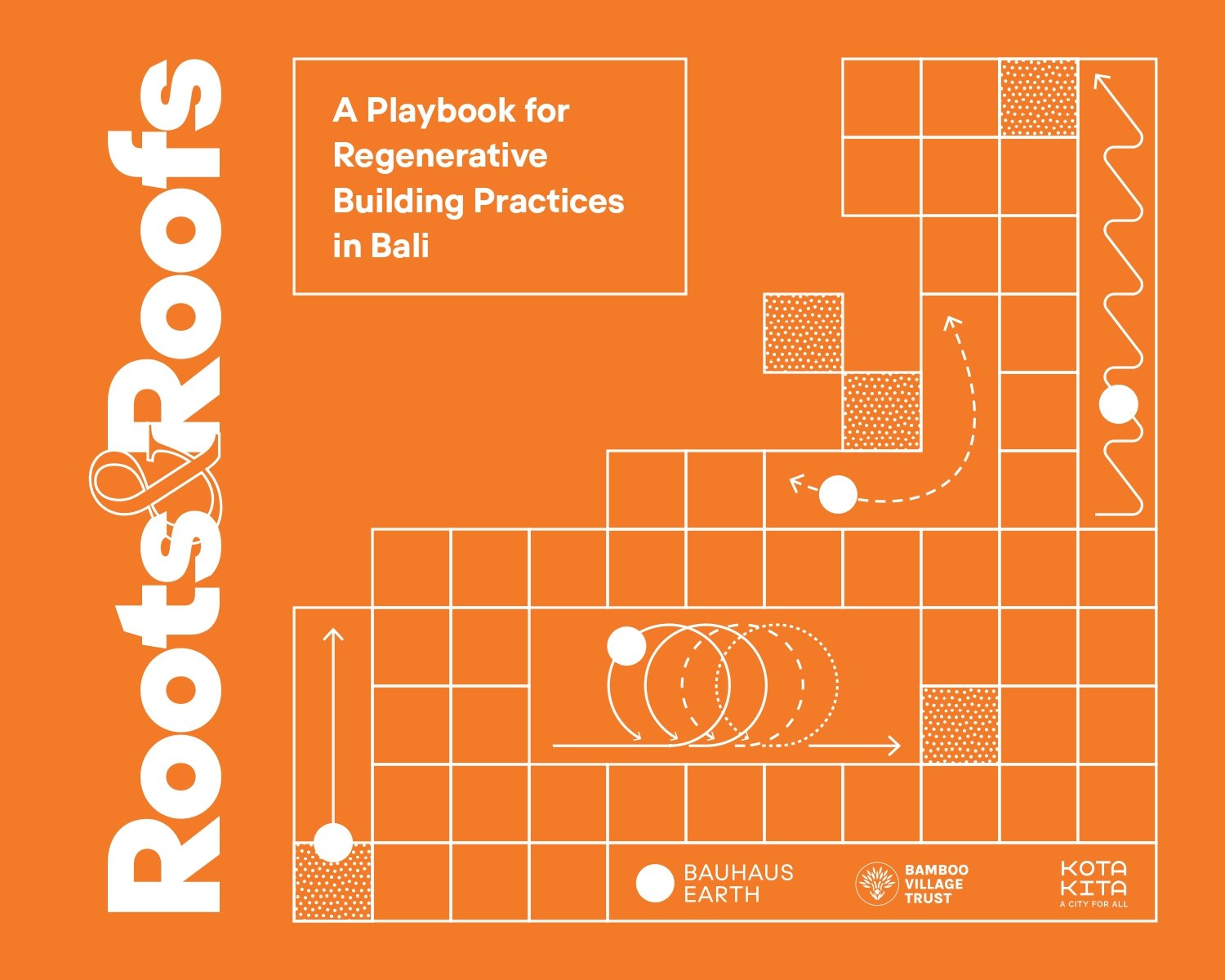
Roots & Roofs - A Playbook for
Regenerative Building Practices in Bali
Roadmap Bali

Partners: